
Loading...
Serving Findlay, OH and surrounding areas. (567) 294-0631
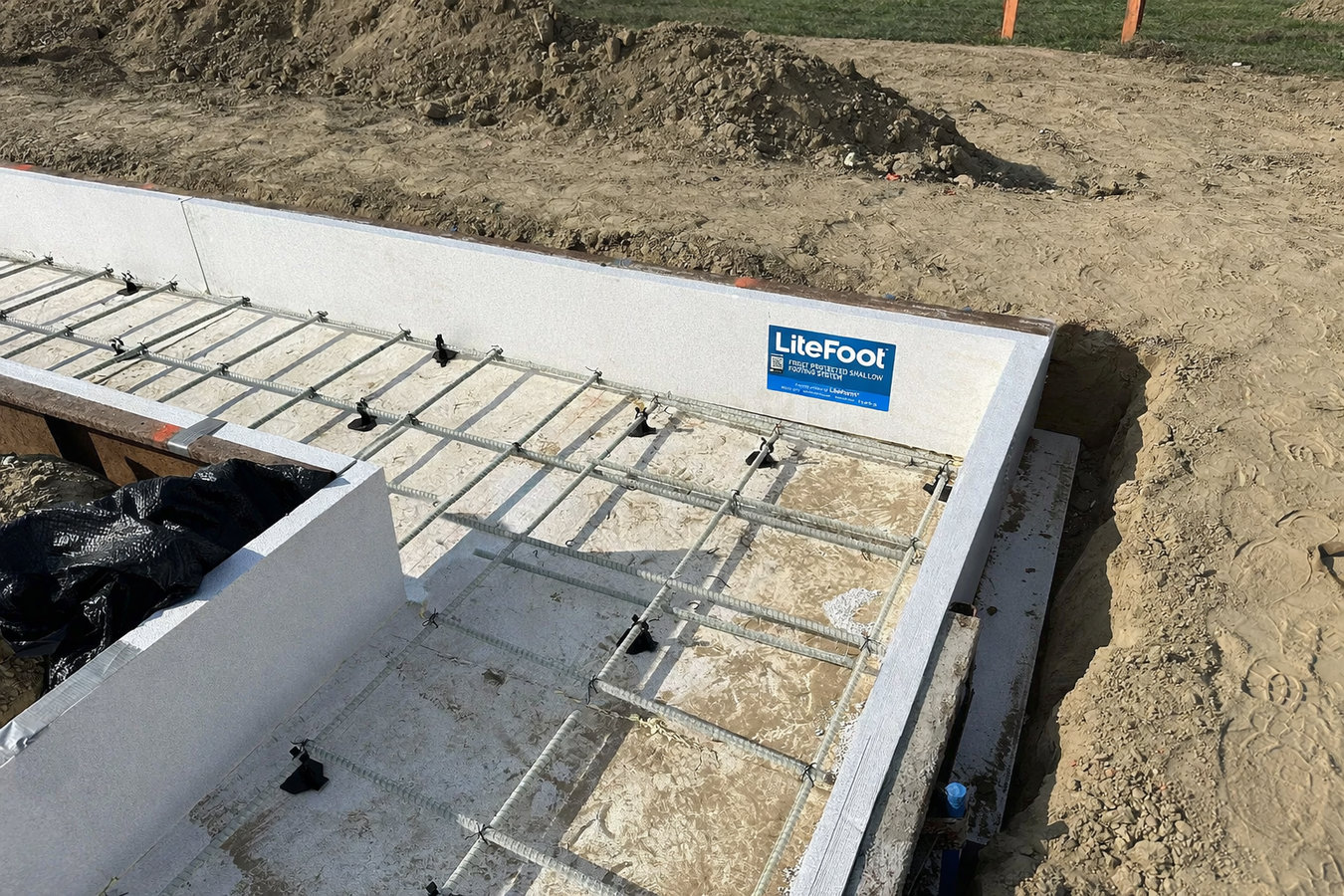
A footing built too shallow or in clay soil without proper depth will shift every winter and crack what sits above it. We dig below the frost line, use steel reinforcement, and pull the city permit so your structure has the base it needs.
Concrete footings in Findlay, OH involve excavating down to at least 36 inches below grade - the depth below which the ground does not freeze - placing steel rebar reinforcement inside the trench or form, passing a city inspection before the pour, and then pouring and curing the concrete before any structure is built on top. Most residential footing jobs take one to three days of active work, with the full permit and curing timeline typically running two to four weeks.
Findlay homeowners most often need footing work when adding a deck, detached garage, room addition, or porch - or when an older structure is showing signs of settling because the original footings were not deep enough for the clay-heavy soils common in Hancock County. A footing that moves with the frost line every winter will eventually crack whatever is sitting on top of it. When a footing project connects to a larger concrete job, we coordinate with our foundation installation work to make sure the load path and depth requirements are handled consistently across the whole structure.
We come out to look at the site before giving you a price - soil conditions and project scope vary enough in Findlay that a phone quote is rarely accurate. You get a written estimate that spells out depth, rebar placement, and what happens if the crew encounters unexpected conditions underground.
If you notice a gap opening between your deck or porch and the side of your home, or if the structure feels like it is tilting slightly, the footings underneath may have shifted. In Findlay, this often happens after a wet winter or spring when the clay soil has swelled and then dried out repeatedly. This kind of movement does not fix itself - it tends to get worse each season.
Horizontal or stair-step cracks in a foundation wall, or wide cracks running across a garage floor, can signal that the footings below are no longer doing their job. Findlay's clay-heavy soil puts extra stress on footings during wet seasons, and older homes built before current code standards are especially vulnerable. Small hairline cracks are common and often harmless, but cracks wide enough to fit a quarter into deserve a professional look.
When a home's foundation shifts - often because footings have settled or moved - door and window frames can rack slightly out of square. You will notice this as doors that suddenly stick, will not latch, or have uneven gaps around the frame. In Findlay's older neighborhoods, this kind of settling is not uncommon in homes built before the 1970s when footing standards were less stringent.
Any new structure attached to or near your home needs proper footings before anything else is built. If you are planning a project and have not had a conversation about footings yet, that conversation needs to happen first. Skipping or skimping on footings to save money upfront almost always costs more to fix later - often requiring the entire structure above to be lifted or rebuilt.
We install concrete footings for decks, porches, room additions, detached garages, accessory structures, and retaining wall bases. Every footing is dug to at least 36 inches below grade to clear the Findlay frost line, and steel rebar is placed and tied before the pour. We apply for the building permit through the City of Findlay Building Department and schedule the pre-pour inspection so a city inspector verifies depth and placement before any concrete is placed. You should not have to track any of that down yourself - we manage it from application to approval.
For properties with a history of soil instability, standing water near the foundation, or older structures that may have had undersized footings originally, we assess existing conditions before scoping new work. We also tie footing projects to our foundation raising service when a structure needs to be lifted and new footings installed beneath it. The American Concrete Institute publishes residential concrete construction standards that guide the specs we use, including rebar sizing and footing dimensions for different load types.
For decks, garages, additions, and porches being built from scratch - full excavation, rebar, city inspection, and pour in the right sequence for your project type.
For structures showing signs of settling or shifting - assessment of existing footings, new footing installation, and coordination with any lifting or repair needed above.
For Findlay properties with standing water near the foundation or in the Blanchard River flood zone - drainage planning alongside the footing work to reduce future soil saturation.
Northwest Ohio's frost line sits at approximately 36 inches below the surface - the depth at which the ground can freeze during a hard Findlay winter. Any footing that does not reach below that depth is at risk of frost heave - a process where freezing water in the soil expands and lifts whatever is above it. Over several winters, a shallow footing produces visible movement: gaps opening between structures and the house, doors that stop closing squarely, and cracks that get a little wider each spring. Findlay also sits on glacially deposited clay soils throughout Hancock County, which expands when wet and shrinks when dry - adding seasonal stress on top of the frost risk. This is why footing depth in northwest Ohio matters more than in states with warmer winters and sandier soil. Homeowners in Fremont and Defiance face the same frost depth requirements and the same clay soil conditions throughout this region.
A significant share of Findlay's residential neighborhoods were built in the mid-20th century, when footing standards were less stringent than they are today. Homes built before the 1970s in areas around downtown and along the older west-side blocks frequently have footings that are shallower or narrower than current requirements - catching that when you are adding onto the house is far less expensive than repairing a failed addition after the footings have moved. The City of Findlay Building Department requires a permit and pre-pour inspection for all structural footing work, which means the depth and rebar placement are verified by an independent inspector before the concrete goes in - not just on the contractor's word.
Reach out by phone or through the contact form and we will get back to you within one business day. We will schedule a time to come look at the site in person - soil conditions and project scope in Findlay vary enough that a phone quote is rarely accurate. The site visit is free and comes with a written estimate.
We apply for the building permit through the City of Findlay Building Department before any digging starts. Plan for a few days to a week for permit processing - this is the contractor's responsibility, not yours. We keep you updated so you know where things stand and when the crew will arrive.
The crew digs down to at least 36 inches, places and ties the steel reinforcement, then calls for a city footing inspection. A city inspector verifies the depth and layout before any concrete is poured. This step is one of the most important protections you have - it puts an independent set of eyes on the work while it can still be corrected.
After inspection approval, the concrete is poured and finished. The footing needs a minimum of seven days before any significant weight is placed on it - full strength takes about 28 days. The crew backfills, cleans up, and walks you through the finished work before leaving the site.
We pull the permit, pass the inspection, and give you a written price before any digging starts. No surprises.
(567) 294-0631In Findlay, footings must reach at least 36 inches below grade. We dig to that depth on every project, regardless of whether a shorter footing would be easier or faster. A footing above the frost line in northwest Ohio is not a footing - it is a problem waiting to show up after the next hard winter.
We apply for the building permit through the City of Findlay Building Department and coordinate the pre-pour inspection on your behalf. You get documentation that the work was reviewed and approved by a city inspector - not just our word that we built it correctly. That documentation matters when you sell the property or make an insurance claim.
Findlay's glacial clay soils behave differently from sandier soil in other parts of the country - they drain slowly, move with moisture, and put ongoing stress on anything buried in them. We size footings to account for that movement, and we assess drainage conditions as part of every site visit so water is not setting up a long-term problem underground.
We provide a written estimate that spells out depth, rebar placement, number of footings, and what happens if we encounter unexpected conditions during digging. You approve the scope before we break ground. If something changes underground - wet soil, old fill, rock - we talk with you before we proceed and before any additional cost is incurred.
Every footing we install goes through the same process - proper depth, steel reinforcement, city permit, inspector sign-off, and a curing period before any load is placed on the concrete. That process exists because Findlay soil and Findlay winters do not forgive shortcuts taken underground where nobody can see them.
For structures that have already settled - lifting and releveling so new footings or repairs can be made underneath.
Learn MoreFull foundation walls and slabs for new construction built on properly sized and inspected footings.
Learn MorePermit-ready crews available now - reach out before the ground freezes and your build timeline gets pushed to next season.