
Loading...
Serving Findlay, OH and surrounding areas. (567) 294-0631
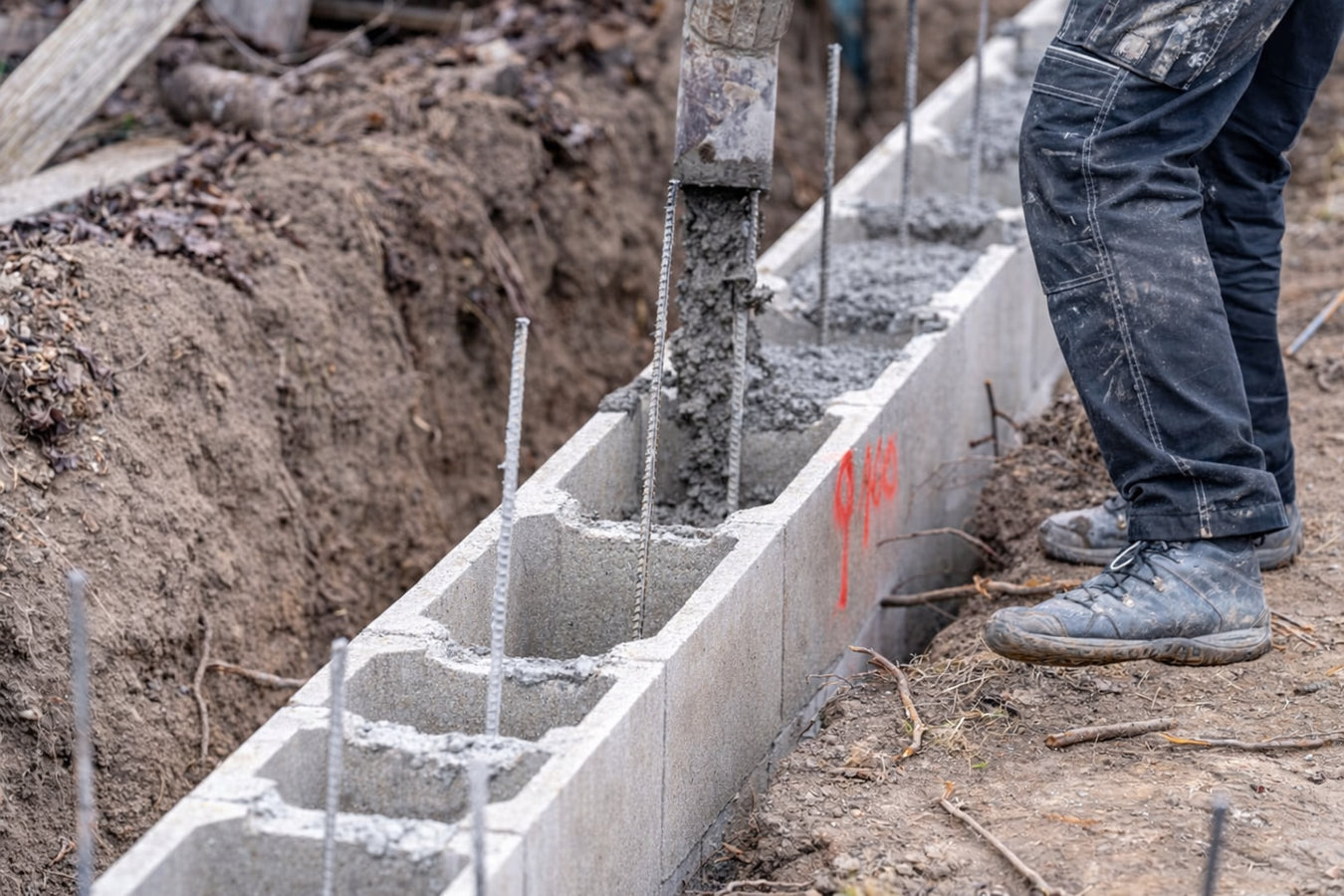
A sunken porch, garage floor, or sidewalk on Findlay clay soil does not always mean starting over. We lift the slab back to where it belongs, patch the drill holes, and get you back on the surface the same day.
Foundation raising in Findlay, OH lifts a sunken or uneven concrete slab back to its original position by pumping material into the void that formed underneath - without tearing out and replacing the slab. Most residential jobs take two to four hours, and homeowners can walk on the surface the same afternoon.
Findlay homeowners deal with sinking slabs more than most because Hancock County sits on clay-heavy glacial soil that swells with moisture and contracts when dry - creating voids under concrete with every wet spring and dry summer cycle. Add the Blanchard River watershed's history of heavy spring flooding, and the conditions for slab settling are baked into the local landscape. The concrete itself is usually still sound - it just lost the support beneath it. Before assuming you need a full replacement, a foundation raising assessment tells you whether lifting is the right fix or whether the slab has reached the point where replacement makes more sense. If the slab is structurally compromised, we say so directly - we tie honest assessment to our slab foundation building work so you get the right solution, not the easiest one to sell.
We come out to look at the slab before giving you a number. Soil conditions, void depth, and the condition of the concrete all vary enough in Findlay that a phone quote is rarely accurate - and it would not serve you well to commit to lifting a slab that actually needs replacing.
If you can feel a lip or drop when walking from your porch to the front door, or from your driveway to the garage floor, the slab has sunk. In Findlay, this often shows up after a wet spring when the ground has been saturated for weeks. That uneven step is more than annoying - it is a trip hazard that gets worse with every freeze-thaw cycle.
Standing water collecting against your home's foundation or along a concrete slab after a rainstorm is actively washing away the soil underneath. Findlay's flat terrain and clay soil mean water sits longer and does more damage than in better-draining areas. Left alone, this pattern leads to deeper voids and a slab that will eventually drop further.
A long crack running diagonally or across the middle of a slab where one side is visibly higher than the other is a sign of uneven settling - not just normal surface aging. This is different from hairline surface cracks, which are common. When one side of a crack has dropped, the slab has moved and the void underneath is already there.
If a gap has appeared between your porch slab and the exterior wall of your home, or between a sidewalk slab and the curb, the slab has dropped away from where it was originally poured. This gap will grow over time if the underlying cause is not addressed - and in Findlay homes built before 1980, where original soil compaction was minimal, this kind of settling is not uncommon.
We use two methods depending on what suits your slab and timeline: traditional mudjacking, which pumps a cement-soil mixture under the slab, and polyurethane foam lifting, which uses an expanding material that cures faster and leaves smaller drill holes. Both work by filling the void and returning the slab to its original position - the choice between them comes down to slab size, void depth, how quickly you need the area back in use, and your budget. We explain the tradeoffs clearly before you decide, and we never push a more expensive method when a simpler one will do. The American Concrete Institute outlines when slab lifting is structurally appropriate versus when replacement is the right call - guidance we follow when assessing your situation.
For Findlay homes with recurring drainage problems - properties near the Blanchard River flood zone or in low-lying neighborhoods with poor surface runoff - we assess drainage patterns around the slab alongside the lift. Raising a slab without addressing the water that caused the void means it will eventually sink again. We coordinate with our concrete cutting work when drainage trenches or interior drain tile are part of the long-term solution.
For homeowners who want a cost-effective lift on a porch, sidewalk, driveway, or garage floor where cure time is not a concern.
For homeowners who need a faster cure, smaller hole patches, or are raising a slab in a tight space where equipment access is limited.
For Findlay properties where water is the root cause - a full review of drainage around the slab alongside the lifting recommendation.
Findlay sits in the Blanchard River watershed - a low, flat part of northwest Ohio that has been shaped by glacial deposits and periodic flooding for generations. The soil across Hancock County is predominantly fine-grained clay, which holds water instead of draining it and expands and contracts with every seasonal moisture change. Every wet spring followed by a dry summer is another cycle of soil movement pushing and pulling at the concrete above it. Major flooding events, including significant floods in 2007 and 2008, saturated the ground under countless residential slabs - and in the years that followed, many Findlay homeowners discovered that their porches, driveways, and garage floors had quietly dropped. A large share of Findlay's housing stock was also built before 1980, when soil compaction requirements before a concrete pour were less strictly enforced, which means the original base under many older slabs was never as solid as it should have been.
Late spring and early fall are the best windows for slab lifting work in Findlay - the ground needs to be thawed and reasonably dry for the material to set correctly. Homeowners in Tiffin and Bowling Green face the same clay soil and freeze-thaw conditions that drive sinking in Findlay, and we serve those communities as well. If you have noticed a slab that is not quite level, checking it in the spring - before another wet season adds more soil erosion - is the right time to act.
When you reach out, we ask a few basic questions - where the slab is, roughly how much has sunk, and whether you have noticed any cracking. We reply within one business day. This helps us come prepared with the right equipment and give you a realistic sense of cost before we arrive.
We walk the slab with you, check the extent of the sinking, the condition of the concrete, and the likely cause. We look at drainage patterns around the slab and confirm whether the concrete is still solid enough to be raised. This visit is free, and it is your chance to ask every question before committing to anything.
The crew drills small holes through the slab at measured points, then pumps material underneath until the slab rises back to level. Most residential jobs wrap up in two to four hours. You will hear the drill and the pump - it is not silent - but it is not a demolition crew either.
Once the slab is level, the drill holes are filled and patched with concrete. The crew cleans up and walks you through what was done. For mudjacking, you can walk on the surface the same afternoon. For foam lifting, the cure time is often under an hour. The contractor tells you exactly when the surface is ready.
Free on-site estimate. Honest answer on whether lifting is the right fix. No obligation.
(567) 294-0631We inspect the slab and tell you directly whether lifting will hold or whether the concrete has reached the point where replacement is the better answer. You get that answer before any money changes hands - not after the crew has already started drilling.
Hancock County's clay-heavy glacial soil and the Blanchard River watershed's drainage patterns are not textbook cases - they are the specific conditions we work in every week. We know which neighborhoods see the most settling and what drainage factors are most likely driving the void under your slab. The Hancock County Soil and Water Conservation District at hancockswcd.org tracks the local soil conditions that shape this work.
We offer both mudjacking and polyurethane foam lifting and recommend the one that actually fits your job - not the one with the higher margin. If mudjacking is the right call for your slab size and budget, that is what we recommend. The explanation of why is part of the estimate, not an afterthought.
Most foundation raising jobs in Findlay are completed in a single visit with walk-on access the same afternoon. There is no demolition, no hauling away broken concrete, and no waiting weeks for a new pour to cure. Your driveway, porch, or garage floor is back in use the day we leave.
Foundation raising is one of the most misunderstood services in concrete work - homeowners often assume they need a full slab replacement when lifting is a faster, more affordable fix, and occasionally the reverse is true. We have worked on slabs across Findlay and the surrounding area and we give you a straight answer either way.
Precise openings in floors, walls, and driveways for drainage, plumbing, and structural access - often the next step after a raising assessment reveals a drainage issue.
Learn MoreFull slab installation for new construction or replacement when a sunken slab is too far gone to lift - poured correctly from the ground up.
Learn MoreEvery wet season adds more water near the slab and deepens the void underneath. Schedule a free estimate now and get a straight answer on whether lifting is the right fix for your concrete.